Tag: Integration

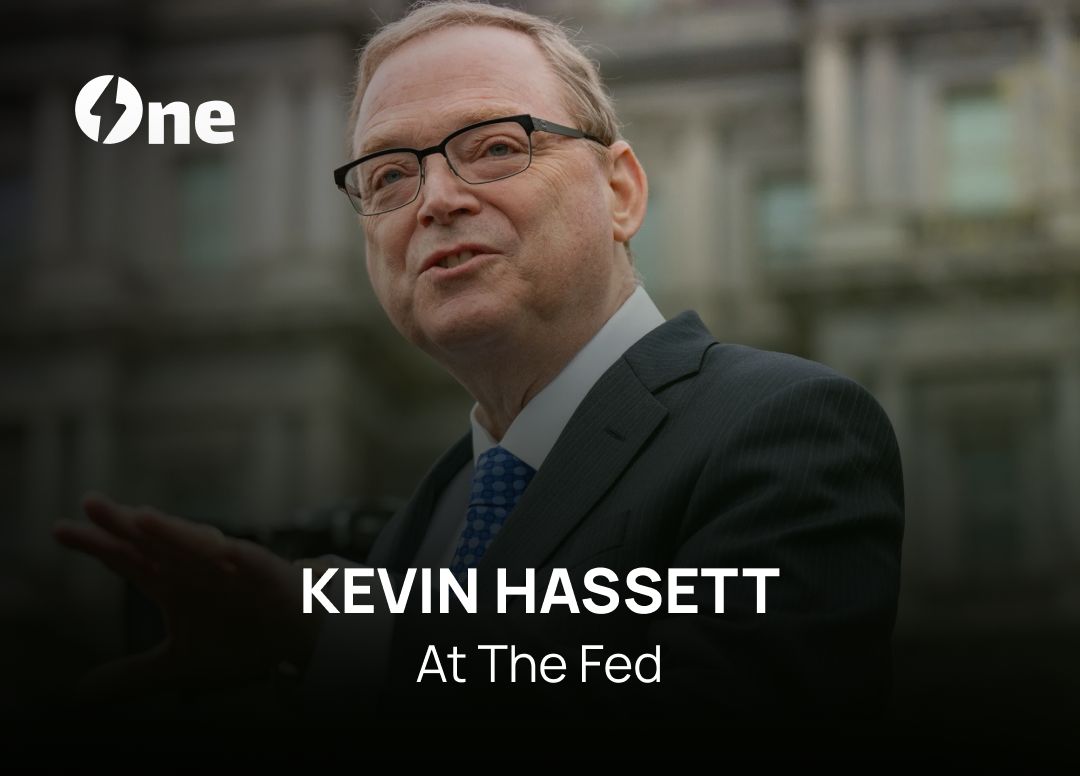
  • Kevin Hassett at the Fed: What a pro-crypto chair could mean for digital payments

    Kevin Hassett at the Fed: What a pro-crypto chair could mean for digital payments

    Donald Trump’s longtime economic adviser, Kevin Hassett, is now the leading candidate to replace Jerome Powell as Fed Chair when his term ends in 2026. What happens at the Federal Reserve matters for every asset class and increasingly for crypto. 

    Given Hassett’s public support for quicker rate cuts and a recognized pro-crypto stance (including involvement in the White House digital-asset working group), his potential appointment could shift US monetary policy with ripple effects across cryptocurrencies, stablecoins, and digital payments infrastructure. 

    For fintechs, payment providers, and enterprises building crypto rails, this possible shift underscores a broader point: institutional clarity and macro-tailwinds may finally converge. 


    Why Hassett’s nomination matters for crypto & payments

    1. Rate cuts could revive risk-asset inflows

    Hassett is known for advocating aggressive interest-rate cuts. Markets are already reacting: futures imply a high chance of another rate reduction soon. Lower rates tend to increase liquidity and risk-asset appetite, a positive signal for crypto investments, trading activity, and stablecoin usage.

    2. A potentially weaker dollar may boost crypto as alternative assets

    Analysts warn that under a dovish Fed stance, the U.S. dollar could weaken, which often makes non-dollar assets like crypto more attractive to global buyers. For crypto payments and global settlement rails, that could mean increased demand and transaction volume, especially from international users.

    3. Regulatory outlook may turn more favourable for digital assets

    Hassett’s crypto-friendly credentials, including his role overseeing the White House digital-asset working group, raise hopes among industry participants that stablecoins and token rails might receive clearer regulatory treatment. That kind of clarity can unlock institutional adoption and wider enterprise-grade crypto payments integration.

    4. Potential for faster adoption of token rails and stablecoin infrastructure

    As monetary conditions loosen and risk-asset sentiment improves, the business case for tokenised payment infrastructure gets stronger. This could accelerate demand for rails that support stablecoin swaps, low-fee global settlement, and cross-border transfers, use cases that are core to AIO’s offering.


    What it means: Risks and opportunities

    ✅ Potential Upsides⚠️ Risks & Unknowns
    Renewed investor liquidity into crypto & stablecoinsUncertainty while the new Fed leadership and policy direction is finalized
    Stronger demand for crypto-payments & global settlement railsPolicy/regulation remains unpredictable especially around stable-coins and CBDCs
    Lower interest rates may increase spending and transaction volume, good for payment railsVolatility in asset prices and interest rates could pressure stable-coin valuation and liquidity pools
    Institutional and enterprise adoption may accelerate with clearer regulatory signalsCrypto market cycles remain unpredictable; regulation in US or abroad may still tighten


    How AIO helps firms navigate & capitalize

    As the macroeconomic and regulatory landscape shifts, bolstered by developments at the Fed, AIO provides infrastructure built for the new era:

    • Token payment rails ready for growth
      AIO’s rails are designed to handle surging volume, global transfers, and stablecoin flows in any rate environment.
    • Stablecoin swap capability
      When volatility spikes or macro conditions shift, AIO enables quick asset conversion to reduce exposure while maintaining payment fluidity.
    • Low-fee, high-throughput infrastructure
      Allows firms to scale global payments without prohibitive cost, making crypto rails competitive with legacy systems.
    • Compliance and governance readiness
      As regulatory attitudes evolve, AIO supports audit-trail, reserve standards, and compliance frameworks, which are critical for enterprise adoption.

    In short: whether markets rally or wobble, whether regulations ease or tighten, firms using AIO are positioned to adapt faster and weather turbulence better.


    Strategic takeaways for decision makers

    1. Assess your payment-rail readiness: If not yet token-rail capable, now is the time to build or partner.
    2. Plan for volatility & liquidity cycles: Embed swap, hedging, fallback rails in your architecture.
    3. Push for regulatory-compliant rails: Structured rails with compliance and governance will attract institutional clients faster.
    4. Leverage global settlement potential: With potential dollar weakness, cross-border crypto rails offer arbitrage and new market reach.
    5. Position for long-term adaptability: Cryptos, stablecoins, CBDCs, tokenised assets, rails built today should support all.


    Conclusion & next steps

    The rising odds that Kevin Hassett could become the next Federal Reserve Chair is more than a political headline, it may reshape macro conditions, U.S. monetary policy, and the environment for digital asset payments globally. A dovish Fed stance under his leadership could mean lower interest rates, a softer dollar, more liquidity, and renewed appetite for risk assets like crypto, all factors that tend to favor stablecoins, token rails, and cross-border digital payments. 

    For fintechs, merchants, treasuries and enterprises building or planning crypto-payments infrastructure, this moment is a strategic inflection point. The firms that prepare now, building rails that support stable-coin swaps, low-cost global settlement, compliance-ready flows and scalable infrastructure, will be best positioned to benefit from renewed crypto demand, regulatory clarity, and macro tailwinds.

    At AIO, we’ve designed our platform precisely for such a future: stablecoin swap capability, high-throughput token rails, and enterprise-grade compliance and governance. If you want to ensure your payments stack is built for what comes next, whether volatility or growth, now is the time to act.

    Explore how AIO can help you build resilient, future-ready crypto payment infrastructure. Contact our team today to discuss your rails strategy, stablecoin integration, or global payment needs.
  • Banks, Fintech & Token-Payments: The New Era of Hybrid Payment Rails

    Banks, Fintech & Token-Payments: The New Era of Hybrid Payment Rails

    Payment rails are entering a phase of reinvention. Traditional systems such as nostro/vostro accounts, correspondent banking, ACH, and SWIFT, are being challenged by token rails and digital asset settlement networks that promise speed, global reach, and lower cost. At the same time, banks and fintechs are recognizing that the future does not favor either legacy or token rails exclusively. The winners will be those that layer token rails alongside core systems. According to research, 86% of central banks globally are actively researching digital assets (cryptocurrencies, stablecoins, token rails) and 60% are already experimenting.


    The legacy rails problem for banks & fintechs

    Traditional payment rails still dominate but they come with limits:

    • Multiple intermediaries, correspondent networks and pre-funding tie-ups add cost and lock up working capital.
    • Settlement delays and time zones mean cross-border payments often take days rather than hours.
    • Fintechs operate with agility but often lack bank-grade infrastructure; banks have regulation and reach but struggle with legacy tooling.

    Token rails offer alternatives. McKinsey & Company describes tokenized cash as a direct challenge to traditional global payments rails. In short, without hybrid rails, banks risk being bypassed by fintech-token combos. On the other hand, fintechs risk building rails banks won’t trust.


    The emergence of hybrid payment rails: What it means

    Hybrid payment rails or more accurately, layered payment rails, combine fiat and token infrastructure to optimize cost, speed, compliance and reach. 

    • The orchestration layer is central, routing payments between legacy or token rails based on business rules (cost, geography, asset type).
    • A recent blog on payment rails warns that blockchain-based networks are “redefining cross-border money movement.
    • For banks and fintechs, this means building architecture that keeps trusted fiat settlement rails in place while integrating token rails as a strategic layer for select flows.


    Key strategic benefits for banks & fintechs

    Speed & settlement
    Token rails enable near-real-time settlement compared to days for many traditional corridors.

    Cost efficiency
    Fewer intermediaries, less pre-funding and less FX drag drive cost savings. Research from McKinsey shows tokenized cash can materially reduce cost and complexity

    Global reach & 24/7 operations
    Token networks operate continuously, enabling cross-border flows even outside banking hours.

    New business models
    Banks and fintechs can issue or partner on stablecoins, embed token rails, and even launch merchant platforms.

    Risk and governance

    While token rails add flexibility, they require bank-grade compliance, fallback to fiat rails, and robust governance.


    How AIO enables complementary token rail adoption

    AIO does not replace your core fiat rails, it complements them. Our infrastructure is designed to be a token rail layer you plug into your existing systems, so you get the best of both worlds:

    • Token-payment rails built to integrate: AIO allows banks, fintechs and platforms to keep their existing fiat rails while layering in token rails for new value flows.
    • Stablecoin swap module: Seamless conversion between fiat and token rails; token rails become an optional but high performance layer.
    • Low-fee, high-speed token settlement: For flows where cost and speed matter most.
    • Regulatory-ready governance: Token rails with audit trail, fallback logic and enterprise-grade compliance.

     Vertical relevance:

    • A bank issuing a stablecoin for corporate clients uses AIO’s token rail as an adjunct rail while keeping settlement on its core system.
    • A fintech-merchant partner uses AIO’s token gateway to add token rail capability for merchants, complementing fiat settlement.
    • A global payments platform uses AIO’s token rail for cross-border rapid settlement, while domestic flows stay on fiat rails.


    Strategic checklist for payment / fintech / bank leaders

    1. Audit your existing rails: What percentage of your flows remain fiat-only?
    2. Map cost, settlement-time, working-capital tie-up: Could token rail layering reduce this?
    3. Identify token-rail tier-in opportunities: Which corridors or flows benefit most from token rails?
    4. Assess governance & fallback readiness for token rails: Are you ready for token rail adoption without sacrificing regulatory trust?
    5. Choose a partner for token rail layering: You want an infrastructure provider that complements, not replaces, your established rails. AIO is built for this layered model.


    Conclusion

    The era of layered payment rails is here. For banks and fintechs that adopt token rails alongside their core systems, the opportunity is clear: faster, cheaper, global settlement; new business models; future-proof infrastructure. If your organization is evaluating how to integrate token payments and build layered rails, let’s talk. 

    Contact AIO today to explore how our token rail layer can complement your existing infrastructure and power your next growth phase.

  • Corporate Treasuries Break Free: Token rails will start to replace old nostro/vostro systems in 2026

    Corporate Treasuries Break Free: Token rails will start to replace old nostro/vostro systems in 2026

    For decades corporate treasuries relied on a complex web of correspondent banking such as banks maintaining nostro and vostro accounts across jurisdictions, managing FX risks, funding pre-paid accounts, and enduring settlement delays. But now a clear shift is underway as token rails and stablecoins are disrupting this model. They offer faster settlement, lower fees, and global reach. Recent research shows that stablecoins now handle around US $30 billion in daily transactions, while still representing less than 1% of all global money flows. If you lead treasury, payments or finance in an enterprise, this change isn’t theoretical, it requires strategic action now.

    The old model: Nostro/vostro and its limits

    • A nostro account is one your bank holds in a foreign bank’s currency while a vostro account is the mirror entry held by the foreign bank. These are foundational for cross-border payments via correspondent banking.
    • Pre-funded accounts tying up working capital, multiple intermediaries, FX risk, manual reconciliation, delayed settlement.
    • According to recent estimates, legacy correspondent banking and nostros trap billions in idle capital globally.

    Why token rails are changing the game

    • Stablecoins and tokenized deposits are beginning to serve as global settlement rails. They support real-time or near real-time transfers without needing multiple correspondent accounts.
    • Corporate treasuries using stablecoins report significant efficiency with reduced operational cost, faster settlements, and less liquidity tied up.
    • The Bank for International Settlements (BIS) outlines how tokenization and unified ledgers can replace the current sequential correspondent-bank process with a single streamlined flow.

    What enterprises must do: Infrastructure & payments strategy

    The data is clear: tokenized rails and wallet-based flows are no longer niche. Industry forecasts suggest stablecoins could reach between US $2.1 trillion and US $4.2 trillion of cross-border payments by 2030.

    By embedding wallet top-ups via crypto/payment gateway flows now, businesses will have:

    • Rail readiness
      Build payment-rails that support token-based settlement, stablecoin flows, and multi-currency token balances.
    • Treasury integration
      Token rails must connect to treasury systems, ERP, liquidity management, supplier payments, and not be siloed.
    • Cost & capital efficiency
      Investigate how much working capital is tied up in your nostros today and how token rails could free it, reducing FX/settlement cost.
    • Governance & risk
      Token rails must include audit-trail, regulatory compliance, fallback rails (fiat or established mechanisms) for resilience.

    How AIO helps your treasury operate on token rails

    • AIO’s platform supports stablecoin swap modules so your treasury can move between tokenized rails with minimal friction.
    • We build token rails designed for fast cross-border settlement, multi-currency token balances and low-fee transaction flows.
    • Integration into Treasury & ERP: Your token rail flows embed directly into treasury operations, supplier payment workflows and global settlement systems.
    • Governance-first architecture: built-in audit, token flow transparency, fallback options to keep your treasury safe while moving into the new rails.

    Strategic checklist for payment & treasury leaders

    1. Map your existing correspondent-bank/nostro exposures: What currency pools, pre-funding, liquidity ties exist?
    2. Quantify cost and capital tie-up: How much working capital could you free by token rails?
    3. Assess your systems: Do your treasury, ERPs, supplier payment flows support token payments or are they fiat-only?
    4. Build governance & fallback: Do you have token rail contracts, audit-trail, escape routes back to fiat rails if needed?
    5. Pick a partner built for enterprise token rails: You’ll need scale, integration, cost-efficiency and vertical focus. AIO delivers all that.

    Conclusion 

    The shift from nostros/vostros to token rails isn’t a near-future discussion, it’s unfolding now. Corporate treasuries that embrace token-based settlement, stablecoins and token payment infrastructure will reduce cost, free capital and gain global agility. 

    If you’re ready to upgrade your treasury and payments architecture to the token rail era, let’s talk

  • Stabelcoins are no longer niche: They’re becoming the backbone of global payments

    Stabelcoins are no longer niche: They’re becoming the backbone of global payments

    If you’ve been watching the payments industry lately you’ve seen a quiet revolution happening: stablecoins, digital tokens pegged to fiat currencies like the U.S. dollar, are inching toward the core of global payments infrastructure. Recent reports show they’re doing more than mere experimentation, they’re starting to challenge the rails that businesses, merchants and treasuries rely on every day. If you lead payments, treasury or innovation for a fintech or enterprise, now is the time to act. Because when rails change, your business payments must evolve too.

    What the data shows

    Several recent research reports underscore the scale of what’s happening:

    • A McKinsey article describes how tokenized cash and stablecoins are enabling next-gen payments with global reach, cross-border speed and cost-efficiency.
    • A Forbes report states that stablecoins processed around $9 trillion in payments in 2025, an 87% jump from the year before.
    • An IMF analysis points to stablecoins’ potential to reshape how value flows across borders, especially where banking infrastructure is weak or costly.

    In short, stablecoins are not just a niche within crypto, they’re becoming a strategic infrastructure for payment flows.

    What this means for payment infrastructure

    With this shift underway, businesses must rethink how their payment rails are built. Consider these three areas:

    1. Cost, speed and global reach
      Traditional cross-border payments still face delays, high fees and currency conversion issues. Stablecoins promise near-real-time settlement, lower costs, and 24/7 global availability.
    2. Tokenized rails must integrate with business operations
      It’s not enough to “accept crypto payments” as a separate channel. Payment systems must embed token rails into merchant flows, treasury operations, supplier payments and settlement logic. Without that integration, you risk creating a siloed offering that underperforms when scale or complexity hits.
    3. Governance, compliance and infrastructure maturity matter
      With stablecoins moving toward mainstream use, enterprise expectations shift. Businesses must build token-rails that are resilient, auditable, compliant and operational in real time. Infrastructure readiness is a differentiator.

    Why enterprises must act now

    The competitive pressure is mounting as legacy payment rails are being challenged, and platforms built without future-ready token capabilities risk being left behind. Businesses that embed token rails, stablecoin swap modules and cost-efficient rails now will gain first-mover advantage. Those that delay may face higher integration costs, slower time-to-value and reputational risk.

    How AIO helps

    At AIO we’ve built payment rail infrastructure with enterprise-grade capabilities:

    • Stablecoin swap
      Seamlessly convert between token types or fiat-equivalent value so your business stays agile.
    • Low-fee, fast-settlement token rails
      When volume scales or cross-border flows increase, you benefit from rails that minimise cost and latency.
    • Business-payments integration
      Token rails embedded into your merchant services, treasury flows and operational stack so you’re not running a token-pilot, you’re executing payments at scale.
    • Governance & compliance readiness
      Built-in audit-trail, fallback logic and enterprise controls ensure your token payments infrastructure meets both business and regulatory demands.

    Strategic Checklist for Decision-Makers

    • Audit your current payment-rail architecture: Can it handle high-volume, low-fee, token-based settlement?
    • Map your cross-border cost and latency: How much could you save by migrating some flows to token-rails?
    • Ensure token-rails are embedded, not optional: Are merchant services, treasury and payments fully integrated?
    • Build governance & fallback logic: If token rails hit stress, do you have safe switching and visibility?
    • Partner with infrastructure built for enterprise token-payments: Choose a provider with scale, integration and business focus.

    Conclusion 

    Stablecoins are starting to become the backbone of global payments. For enterprises in fintech, blockchain and payments, this is your moment to upgrade infrastructure, embed token-rails and optimize for speed, cost and global reach. 

    If you’re ready to build payment systems for the token-rail stablecoin era, let’s talk.

  • Subscription 3.0: How Web3 Businesses Are Reinventing Recurring Payments

    Subscription 3.0: How Web3 Businesses Are Reinventing Recurring Payments

    In 2025, subscription-based business models aren’t just thriving, they’re everywhere.

    From streaming to software, from gaming to decentralized apps, recurring payments have become the backbone of the digital economy.

    Yet even as subscription revenue surges past $1.5 trillion globally, one problem continues to plague operators: payment inefficiency.

    Card expirations, failed renewals, and high transaction fees cost businesses up to 15% of annual recurring revenue (ARR), according to Deloitte’s 2025 Fintech Benchmark.

    The fix? Blockchain-powered recurring payments, the foundation of what many are calling Subscription 3.0.


    1. The Problem with Traditional Subscriptions

    Recurring payments sound automatic but for most businesses, they’re not.

    Each renewal relies on a third-party processor to charge cards, validate accounts, and send confirmations. That process introduces friction at every step:

    • Failed renewals due to expired cards or declined transactions
    • 2-3% processor fees on every charge
    • Delayed settlements and chargeback risk
    • Cross-border payment friction for global users

    For Web3 businesses and global SaaS platforms, that friction compounds, especially when subscribers are spread across dozens of countries.

    2. The Blockchain Advantage in Subscriptions

    Blockchain replaces outdated payment rails with direct, programmable transactions.

    Using smart contracts, businesses can automate renewals without relying on intermediaries or card networks.

    What Makes Blockchain Subscriptions Better

    • 🔁 Automatic Renewal: Payments execute based on pre-set contract terms.
    • 💰 Lower Costs: Fees drop to 0.3-0.5% per transaction.
    • Instant Settlement: No more 2-3 day waiting periods.
    • 🌍 Global Access: Accept payments from anywhere, no bank or card required.

    The AIO platform makes this possible through simple API and webhook integrations which allow SaaS or Web3 platforms to handle recurring crypto payments automatically.

    3. Smart Contracts: The Core of Subscription 3.0

    Smart contracts are blockchain-based programs that execute payments when specific conditions are met.

    For subscriptions, this means fully automated billing cycles.

    Example Use Case

    A Web3 analytics platform sets up a monthly subscription plan using AIO’s API:

    • User subscribes via stablecoin payment (USDT or USDC).
    • Smart contract locks the subscription cycle and auto-renews on the next billing date.
    • Merchant receives instant payment, while the user retains full transparency over terms and history.

    No middlemen. No failed charges. No payment fatigue.

    4. Predictable Revenue, Reduced Churn

    Recurring revenue models thrive on predictability and blockchain enhances it.

    With traditional systems, failed payments can trigger involuntary churn (users who didn’t intend to cancel).

    Blockchain eliminates those points of failure by removing dependency on cards or banks.

    The result:

    • Up to 30% fewer failed renewals
    • Real-time visibility on cash flow
    • Improved LTV (lifetime value) through consistent billing cycles

    5. Web3 Native Subscriptions: Beyond Billing

    Subscription 3.0 isn’t just faster billing, it’s programmable monetization.

    Blockchain enables dynamic subscriptions, where access levels, pricing, or benefits adjust automatically based on usage or membership tokens.

    Examples:

    • NFT-gated access for premium members
    • Tiered pricing triggered by smart contract metrics
    • Usage-based billing linked to on-chain data analytics

    This level of automation was impossible with traditional PSPs and it’s redefining how Web3 and SaaS businesses scale these days.

    6. Instant Global Settlements

    With blockchain, your customer base can be anywhere and payments still clear instantly.

    Whether a subscriber is in Tokyo, Berlin, or São Paulo, payments in USDT, USDC, or EUROC move directly from wallet to wallet with no middle layers.

    This means no FX losses, no cross-border friction, and full real-time visibility for both parties.

    With the AIO dashboard, merchants can track subscription renewals, analyze revenue flow, and issue instant refunds, all on a single interface.

    7. Integration: Simpler Than It Sounds

    One of the biggest misconceptions is that blockchain integration requires deep technical know-how.

    AIO eliminates that barrier completely.

    Plug & Play Tools

    • API and webhook setup in minutes
    • SDK libraries for major frameworks
    • Sandbox mode for testing recurring billing before launch

    Once integrated, merchants gain instant access to multi-chain payment options, stablecoin support, and real-time analytics. No complex coding required.

    8. The Executive Takeaway

    The subscription economy is evolving fast and the next big winners will be those who automate payments at the protocol level.

    Blockchain and smart contracts make it possible to:

    • Cut payment costs by 80%
    • Eliminate failed renewals
    • Scale globally with instant settlements

    Subscription 3.0 has arrived.

    Give us a call and learn how AIO enables frictionless, programmable payments for SaaS and Web3 businesses worldwide.

  • Winning on Speed: How Gaming Platforms Are Using Blockchain for Instant Payouts

    Winning on Speed: How Gaming Platforms Are Using Blockchain for Instant Payouts

    In gaming, speed is everything.

    Players don’t want to wait hours or worse, days, for their winnings. The modern player expects instant payouts, real-time deposits, and zero downtime.

    For operators, meeting that expectation isn’t just good service, it’s a competitive differentiator. According to SOFTSWISS’ 2025 Gaming Payments Report, 60% of players now choose platforms that offer instant crypto payouts over those relying on traditional methods.

    That shift is why blockchain payment systems are now at the heart of the gaming industry’s next growth phase.


    1. The Payout Problem: Legacy Systems Can’t Keep Up

    Traditional gaming payment rails like bank transfers, credit cards, and e-wallets, come with built-in friction:

    • 2-5 day settlement delays
    • 2-3% transaction fees
    • Chargeback and fraud risk
    • Operational bottlenecks for high-volume payouts

    When thousands of players are cashing out at once, these systems create a poor experience and strain liquidity.

    The result? Player churn, higher costs, and trust erosion, the exact situations operators can’t afford in a competitive global market.

    2. Blockchain: The Engine Behind Instant Payouts

    Blockchain eliminates the waiting game.

    Through decentralized transaction validation, funds move directly from operator to player in seconds, not days.

    Key Advantages:

    • Instant Settlement: Near real-time deposits and withdrawals
    • 💰 Low Fees: Transaction costs drop from 2-3% to as low as 0.3%
    • 🌍 Global Reach: Works seamlessly across regions and currencies
    • 📊 Transparency: Every transaction traceable, no hidden fees, no delays

    In short: it’s faster, cheaper, and scales better than any legacy PSP.

    The AIO platform was built for this environment: processing large transaction volumes with speed, stability, and minimal gas fees through batch transfer optimization.

    3. How Instant Payouts Drive Player Loyalty

    In gaming, user trust equals retention.

    Nothing strengthens trust like seeing winnings hit a wallet instantly.

    Operators offering instant crypto payouts see:

    • 20-30% higher repeat play rates
    • 25% longer player lifetime value (LTV)
    • 40% reduction in support tickets related to withdrawal delays

    Blockchain transforms the payout process from a friction point into a marketing advantage which operators can actively promote.

    Example:

    A global gaming platform running on AIO API routes payouts in under 90 seconds, while competitors take 48 hours.

    The result: higher retention and daily engagement.

    4. Real-World Impact: From Malta to Manila

    The gaming capitals of the world, Malta, Curacao, and the Philippines, have rapidly become blockchain payment hubs.

    • Malta: Dozens of operators now integrate crypto rails for cross-border payments to affiliates and players.
    • Curacao: The shift to digital-only payment structures has cut payout overheads by up to 60%.
    • Asia (Philippines & Japan): Mobile-first gaming markets demand instant settlement, making blockchain the new standard.

    With AIO’s global integration model, operators can transact across all these regions through a single dashboard.

    5. Efficiency at Scale: Batch Transfers & Smart Routing

    When handling hundreds of pay-ins per minute, every millisecond matters.

    AIO’s batch transfer architecture groups multiple transactions into one, reducing gas fees by up to 90%.

    Combined with smart routing logic, it ensures each transaction follows the fastest, lowest-cost path on-chain.

    This makes blockchain not only faster but more cost-effective than traditional banking systems, especially for platforms managing millions in daily volume.

    6. More Than Payouts: End-to-End Flow Optimization

    Blockchain isn’t just improving withdrawals, it’s transforming the entire gaming payment lifecycle:

    • Deposits: Instant top-ups from global players via stablecoins (USDT, USDC, EUROC)
    • Bonuses: Automated smart contract-based bonus distribution
    • Affiliate Settlements: Transparent, programmable revenue share payments
    • Refunds: Instant reversals directly to player wallets

    Each step becomes faster, simpler, and more transparent without needing complex integrations.

    7. Integrating Blockchain Without the Hassle

    Gone are the days when implementing blockchain meant hiring developers or rebuilding infrastructure.

    AIO offers:

    • Plug-and-play API and webhook integrations
    • Sandbox testing for operators before going live
    • Multi-chain support for Ethereum, TRON, Bitcoin, Litecoin, and many others

    Setup can take less than an hour, giving operators immediate access to global crypto liquidity and lightning-fast transactions.

    8. The Executive Takeaway

    In gaming, milliseconds matter and so do margins.

    Operators that adopt blockchain payments today are setting the new industry benchmark for:

    • Speed
    • Scalability
    • Player trust

    Instant payouts are no longer optional. They’re expected.

    Level up your gaming platform with AIO!

    Discover how the AIO platform helps gaming operators win faster, pay faster, and grow faster. Empower your platform with AIO now!

  • Faster Checkouts, Global Reach: How Blockchain Payments Are Reshaping eCommerce Margins

    Faster Checkouts, Global Reach: How Blockchain Payments Are Reshaping eCommerce Margins

    In eCommerce, speed isn’t just convenience, it’s profit.

    Every second shaved off checkout time can boost conversions by up to 7%, according to Shopify’s 2025 Payments Report.

    Yet despite billions invested in UX optimization, one bottleneck remains unchanged: the payment rail itself.

    Traditional card and bank systems still impose 2-3% transaction fees, settlement delays of 2-5 business days, and friction in cross-border sales.

    In a global digital marketplace, that inefficiency isn’t sustainable.

    That’s why more online retailers are turning to blockchain payments, a technology once seen as futuristic, now a practical competitive advantage.


    1. The Global eCommerce Shift to Blockchain Payments

    In 2025, blockchain-based transactions are no longer just an experiment among crypto-native stores.

    Major eCommerce platforms, from Shopify to WooCommerce to Magento, now support crypto and stablecoin checkout integrations.

    These systems bypass intermediaries, enabling:

    • Instant settlement (seconds, not days)
    • Fees as low as 0.3% per transaction
    • Borderless transactions without FX or card restrictions

    For merchants processing $10M+ annually, those savings can add up to six figures in retained margin every year.

    The AIO (All-in-one) infrastructure lets merchants accept payments globally with just one integration, offering low-cost, real-time transactions directly from wallet to wallet.

    2. How Blockchain Improves Checkout Conversion

    Abandoned carts remain a $4 trillion problem in global eCommerce.

    The culprit, often, isn’t the product. It’s the payment experience.

    Frictionless Checkout

    • Blockchain payments require no card input, no redirect, no bank authorization delays.
    • A QR scan or wallet click completes the transaction in seconds.

    Global Accessibility

    • Blockchain payments work in every country, removing barriers for regions with limited credit card coverage.

    Customer Trust

    • Transparent, irreversible transactions reduce disputes and chargebacks, boosting merchant confidence and customer satisfaction.

    3. Cross-Border Without the Cost

    Cross-border sales are growing at twice the rate of domestic eCommerce, yet banking fees and FX conversion continue to erode margins.

    Blockchain eliminates those layers entirely.

    Payments settle peer-to-peer, with stablecoins like USDT or USDC maintaining value parity to the U.S. dollar: no middlemen, no currency conversion loss.

    Example Scenario

    • A Singapore-based store sells a $500 product to a customer in France.
    • Traditional method: 2.9% card fee + 1.5% FX cost = $22 lost per sale.
    • Blockchain method: 0.3% network fee, instant settlement, ≈$20 saved per sale.

    Multiply that by thousands of transactions, and blockchain becomes a tangible profit engine.

    4. Refunds, Settlements & Liquidity Reimagined

    Traditional payment systems often take days to process refunds or transfers.

    With blockchain, that cycle becomes real-time, improving both liquidity and customer satisfaction.

    • Refunds: Smart contract reversals can automate instant refunds within seconds.
    • Vendor Settlements: Multi-party transactions (retailer + supplier + logistics) can settle simultaneously.
    • Liquidity: Merchants receive funds immediately, freeing up working capital to reinvest in marketing or inventory.

    AIO’s settlement engine enables batch transfers, sending hundreds of transactions in one gas-optimized process, reducing network costs by up to 90%.

    5. Plug-and-Play Integration for Modern Merchants

    The biggest misconception about blockchain payments is that they’re hard to integrate.

    Modern gateways like AIO have flipped that narrative.

    AIO offers:

    • One-click plugin support for platforms like Shopify, WooCommerce, and Magento
    • API and webhook integration for custom eCommerce ecosystems
    • Real-time transaction dashboards for sales, refunds, and analytics

    No new infrastructure. No deep blockchain expertise required.

    Just faster, cheaper, global payments, within minutes of setup.

    6. The eCommerce Edge: Speed Meets Scale

    MetricTraditional PSPsAIO (All-in-one)
    Settlement Time2-5 daysSeconds
    Transaction Fees2-3%0.3-0.5%
    Refund Processing2-7 daysInstant
    Global ReachLimited by card/bankUniversal
    Integration TimeWeeks<1 hour

    This performance gap isn’t theoretical, it’s operational.

    In a digital economy where speed = sales, blockchain payments are the new backbone of competitive eCommerce.

    7. Future-Proofing the Online Store

    With Web3 commerce, metaverse shopping, and AI-driven personalization gaining traction, the payment layer must evolve.

    Blockchain payments enable a native digital checkout experience that supports both fiat and crypto users, ensuring brands stay relevant as consumer habits shift.

    Early adopters of blockchain payments in eCommerce report 15-30% higher ROI within their first year due to lower fees and faster global access.

    8. The Executive Takeaway

    The next generation of eCommerce winners won’t just have the best ads or fastest shipping, they’ll have the most efficient payment rails.

    By replacing slow, expensive legacy systems with blockchain-powered alternatives, merchants can:

    • Expand global reach
    • Improve customer experience
    • Cut costs at scale

    Discover how AIO helps online stores move money faster, smarter, and cheaper, anywhere in the world.

    Open your business to a whole new world of crypto users with AIO.